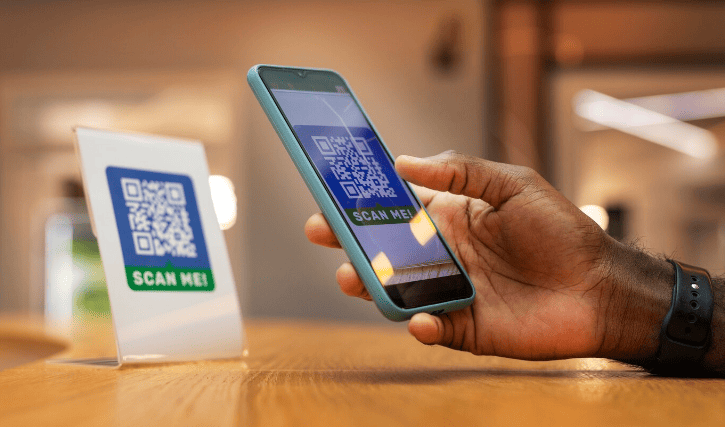
Marketing works best when it makes the next step easy. The problem is that many campaigns still lose people in the gap between interest and action. Someone sees a flyer, a poster, a product package, a print ad, or an event display, but instead of taking the next step, they move on because it feels like too much effort.
That is exactly why QR codes have become so useful in modern campaigns. They close that gap. With one quick scan, a person can move from offline attention to online action in seconds. They can open a landing page, claim an offer, view a product, register for an event, download an app, or complete a payment without typing a long URL or searching manually.
That is what makes QR codes such a practical tool in marketing. They are simple, fast, and flexible. But using them well takes more than just dropping a code onto a poster and hoping people scan it. A successful campaign QR code needs the right goal, the right destination, the right placement, and a clear reason for people to engage.
In this guide, you will learn how to use QR codes in marketing campaigns, where they work best, what types of campaigns benefit most, what mistakes to avoid, and how to make sure your QR codes actually help drive results.
Why QR Codes Work So Well in Marketing
QR codes work because they reduce friction. In marketing, every extra step lowers the chance of conversion. If someone has to remember your brand name, open a browser, type a URL, and search for the right page, a large percentage of people will drop off before they get there.
A QR code removes that extra effort. It turns curiosity into action immediately.
That makes QR codes useful for campaigns that depend on:
- fast engagement
- mobile traffic
- offline-to-online conversion
- lead generation
- promotions and discounts
- event registration
- product discovery
- customer follow-up
In other words, QR codes are not just a design element. They are a conversion tool.
What a Marketing QR Code Actually Does
A marketing QR code is a scannable code that sends people to a campaign destination. That destination could be a landing page, product page, offer page, sign-up form, survey, app download, payment page, or digital menu depending on the campaign goal.
The QR code itself is not the campaign. It is the bridge into the campaign.
That means its value depends entirely on what happens after the scan. If the destination is useful, relevant, and easy to act on, the QR code becomes powerful. If the destination is vague, broken, or slow, the QR code does not help at all.
How to Use QR Codes in Marketing Campaigns
If you want to use QR codes effectively in a campaign, the first step is not design. It is strategy.
Start With One Clear Goal
Every QR code in a campaign should have one main purpose.
For example, do you want people to:
- visit a landing page
- claim a discount
- register for an event
- book a service
- download an app
- leave a review
- buy a product
- join your email list
If the goal is unclear, the user experience usually becomes weak. A QR code works best when it leads to one direct next step.
Choose the Right Destination
The page behind the QR code should match the campaign message exactly.
If a poster says “Scan to Get 20% Off,” the QR code should open the discount page directly, not the homepage. If a product package says “Scan to Watch the Demo,” it should open the demo video or page immediately.
This sounds obvious, but it is one of the biggest differences between QR codes that convert well and QR codes that get ignored.
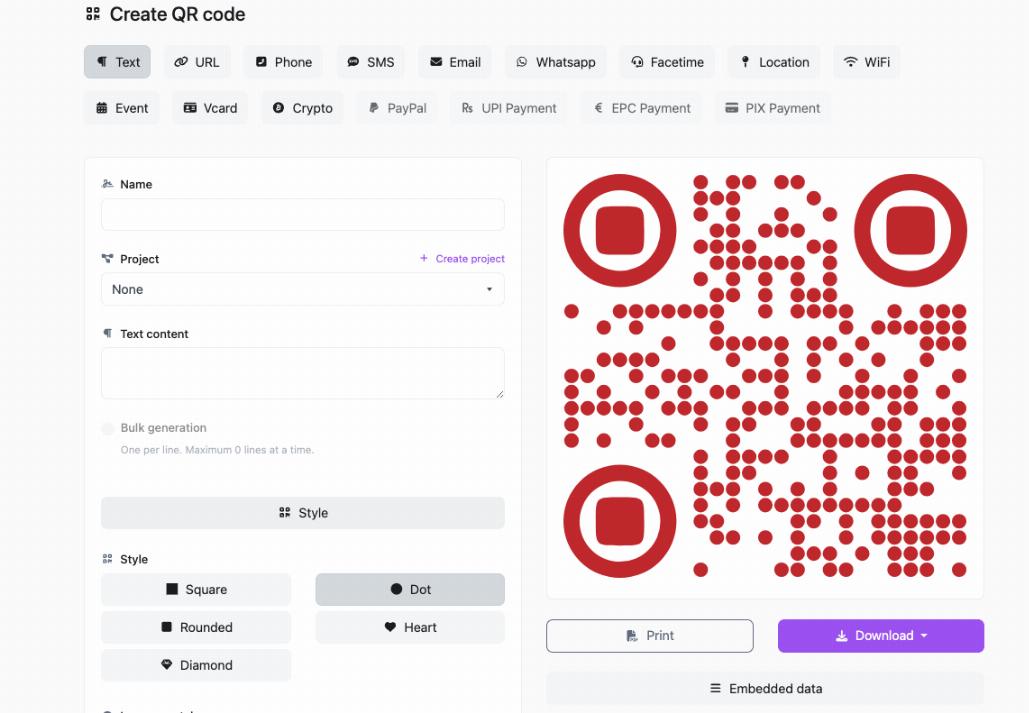
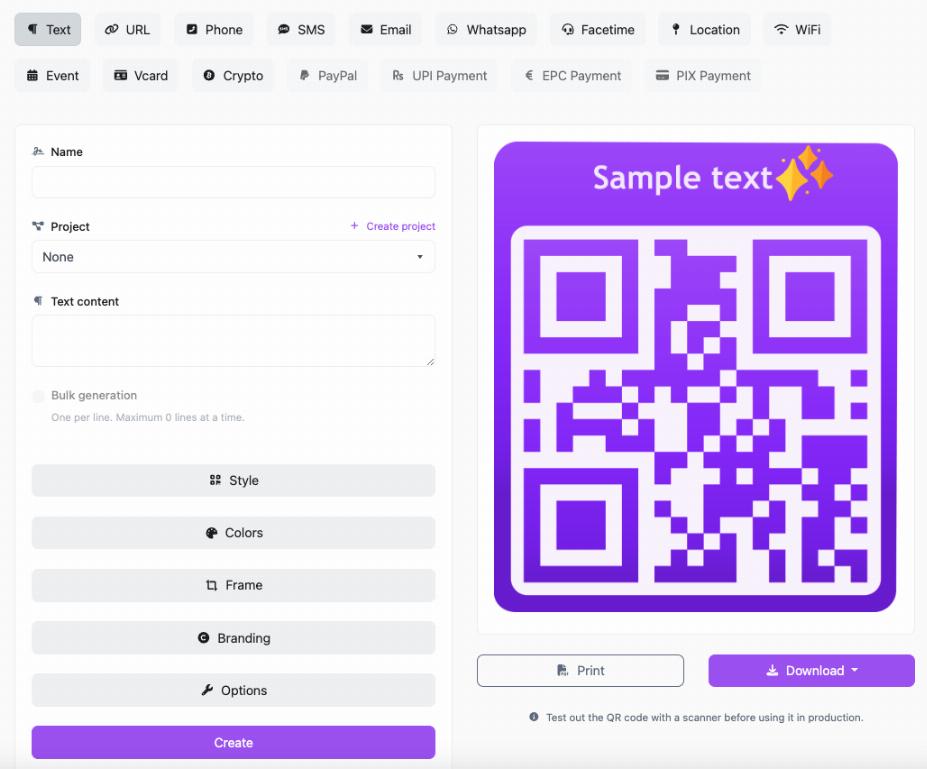
If you need help with the setup itself, it helps to understand how to create a QR code for a website link so the campaign destination fits the scan context properly.
Use QR Codes Where People Naturally Pause
QR codes perform best when placed in moments where people have time and attention.
Strong placement examples include:
- posters in stores or public spaces
- product packaging
- event booths and banners
- direct mail pieces
- restaurant tables
- brochures and flyers
- checkout counters
- window signage
If someone is rushing past the code with no context, scan rates will naturally be lower. Placement should match both visibility and intent.
Give People a Clear Reason to Scan
A QR code by itself is not persuasive. People need to know what they get from scanning.
That is why the call to action matters so much.
Good examples include:
- Scan to Claim Your Discount
- Scan to Enter the Giveaway
- Scan to View the Full Collection
- Scan to Book Your Free Demo
- Scan to Register Now
- Scan to Watch the Video
The clearer the value, the more likely people are to act.
Best Ways to Use QR Codes in Marketing Campaigns
Drive Traffic to Landing Pages
One of the most common uses of QR codes in marketing is sending people directly to a campaign landing page. This works especially well when the campaign starts offline but the conversion happens online.
Examples include:
- print ads
- flyers
- trade show materials
- store displays
- outdoor posters
A landing page QR code can help you move people straight from attention to action without asking them to remember anything later.
Promote Offers and Discounts
QR codes are excellent for limited-time promotions because they make the offer instantly accessible.
A business can place a code on posters, packaging, table tents, receipts, or window signs with a message like “Scan to Get 10% Off” or “Scan for Today’s Offer.”
This is especially useful for local businesses, retail stores, cafés, and service brands that want to turn in-person traffic into measurable action.
Support Event Marketing
Events are one of the best use cases for campaign QR codes. A single scan can register attendees, open the schedule, show speaker information, link to social pages, or collect leads after the event.
This works well for:
- conferences
- trade shows
- brand activations
- community events
- launch events
Instead of making attendees search for links or type forms manually, the QR code makes the experience immediate.
Capture Leads
QR codes can send users directly to a lead form, consultation request page, newsletter sign-up, or demo request page.
This is a useful strategy for campaigns where the goal is not immediate purchase, but capturing qualified interest.
For example, a service business might place a QR code on a brochure with the message “Scan to Get a Free Quote.” That shortens the path from interest to inquiry.
Connect Print Marketing to Digital Results
One of the strongest advantages of QR codes is that they make print marketing more actionable. A flyer no longer has to end at awareness. It can lead directly to a click, form, coupon, or sale.
That is why QR codes work well in:
- brochures
- direct mail
- catalogs
- product inserts
- business cards
- packaging
For brands trying to connect offline exposure to digital engagement, QR codes are one of the easiest tools to implement.
Encourage Reviews and Feedback
Some campaigns are not only about sales. They are about strengthening trust, collecting feedback, or improving future marketing.
A QR code can send customers directly to:
- a review page
- a feedback form
- a post-purchase survey
- a loyalty sign-up page
This works especially well after purchase or service completion, when the customer is already engaged.
Use on Packaging for Ongoing Campaigns
Packaging QR codes can keep marketing going even after the product leaves the shelf. A customer can scan to view instructions, watch a tutorial, claim a reward, register a product, or browse related items.
This turns packaging into a campaign touchpoint instead of just a label.
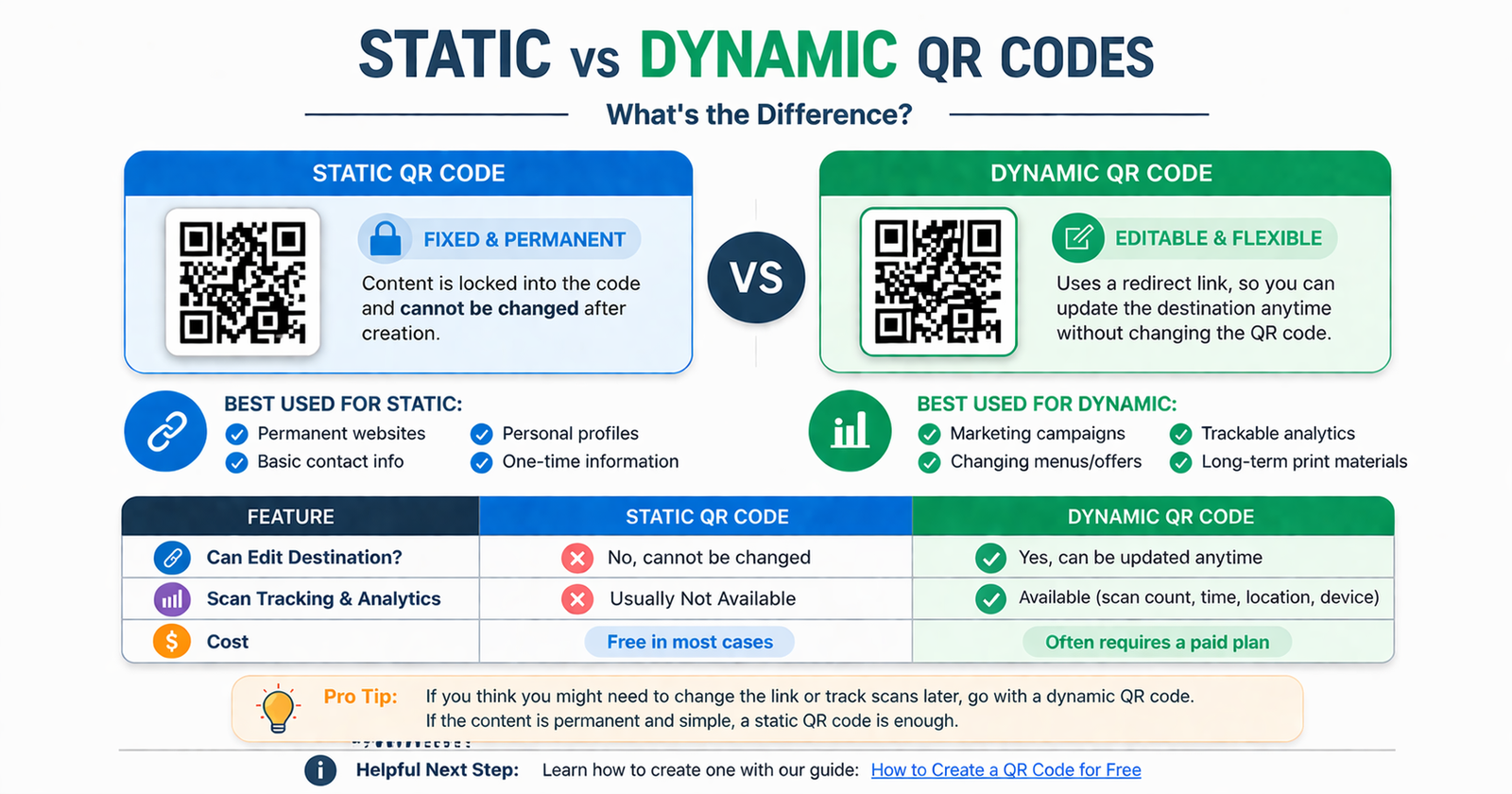
Static vs Dynamic QR Codes in Marketing
When using QR codes in campaigns, one of the most important decisions is whether the code should be static or dynamic.
A static QR code has a fixed destination. Once created, it cannot be updated.
A dynamic QR code usually allows the destination to be changed later, which can be very useful in campaigns.
Dynamic QR codes are often the better choice for marketing because:
- campaign pages may change
- offers may expire
- you may want to redirect traffic later
- printed materials may stay in circulation
- tracking can matter more
If you want a deeper explanation, this guide to static vs dynamic QR codes breaks down when each type makes sense.
Best Practices for Marketing Campaign QR Codes
Keep the Destination Mobile-Friendly
Most people scan QR codes with a phone, so the page behind the code must work smoothly on mobile. A slow or awkward page can kill conversions fast.
Match the Message to the Destination
The scan result should feel consistent with the promise. If the code says one thing and the page delivers something else, trust drops immediately.
Use Enough Size and Contrast
The QR code needs to be easy to scan in real conditions. Strong contrast, enough white space, and a readable size matter more than decorative effects.
Test Before Launch
Always test the code on multiple devices before printing or publishing it widely. This includes testing the page load, mobile experience, and action flow after the scan.
Do Not Overcrowd the Design
A QR code should support the campaign, not visually overwhelm it. Give it enough space and place it where it feels intentional.
Common Mistakes to Avoid
Sending Users to the Homepage
This is one of the most common mistakes in campaign QR use. A homepage usually creates extra work. Campaign traffic should land on a page built for the exact message.
No Call to Action
If users do not know why they should scan, many will ignore the code.
Using the Wrong QR Code Type
Campaigns often change. If the destination may need updating later, a fixed code can become a problem.
Ignoring Mobile Experience
The scan may work perfectly, but if the page is poor on mobile, the campaign still underperforms.
Placing the Code Where Nobody Will Scan
Good QR code placement is part of strategy, not an afterthought.
Who Should Use QR Codes in Campaigns?
QR codes can help almost any brand or organization running campaigns that connect physical attention to digital action.
They are especially useful for:
- small businesses
- retail brands
- restaurants and cafés
- event marketers
- real estate professionals
- service businesses
- product-based brands
- local advertisers
For smaller brands in particular, QR codes are attractive because they are practical, affordable, and easy to add to existing materials. You can see broader examples in best uses of QR codes for small businesses if you want ideas beyond campaign-specific use.
FAQ
How do QR codes help in marketing campaigns?
QR codes help by making it easier for people to move from seeing a campaign to taking action. They reduce friction and can send users directly to landing pages, offers, forms, registrations, and other campaign destinations.
What should a campaign QR code link to?
It should link to the most relevant page for the campaign goal, such as a landing page, discount page, sign-up form, product page, or booking page.
Are dynamic QR codes better for campaigns?
Often, yes. Dynamic codes are usually better for campaigns that may change over time or need more flexibility after printed materials are already in use.
Where should QR codes be placed in marketing materials?
They should be placed where people can see them clearly and have a natural reason to scan, such as posters, packaging, brochures, event signage, counters, or direct mail pieces.
Do QR codes work for offline marketing?
Yes. In fact, they are especially useful in offline marketing because they connect physical materials to digital actions quickly.
Can small businesses use QR codes in campaigns effectively?
Absolutely. QR codes are one of the most practical tools small businesses can use to connect local, print, and in-store promotion with online results.
Conclusion
QR codes work well in marketing campaigns because they make action easier. They help close the gap between interest and response, especially when a campaign starts in the physical world but needs to move people online quickly.
The most effective campaign QR codes are built around one clear goal, one relevant destination, and one strong reason to scan. When those pieces are in place, a simple code can become a powerful part of your marketing strategy.
If you want to start using them well, focus less on the code itself and more on the experience it creates. That is what turns a scan into a result.